5 Early Signs of Tooth Decay You Should Never Ignore
Tooth decay does not always start with severe pain or an obvious hole in the tooth. In fact, some of the earliest warning signs can be easy to overlook. That is part of what makes cavities so tricky. Many patients assume that if a tooth is not hurting, everything must be fine. Unfortunately, that is not always the case.
At Dr. Ersoy’s office, one of the biggest goals of preventive care is catching dental issues before they become larger problems. When tooth decay is identified early, treatment is usually simpler, more conservative, and less stressful for the patient.
If you know what to look for, you may be able to spot the early signs of decay before it leads to more extensive damage. Here are five signs you should never ignore.
What Is Tooth Decay?
Tooth decay happens when bacteria in the mouth feed on sugars and produce acids that wear away the enamel. Over time, these acids can break down the outer layer of the tooth and create cavities. If the decay continues deeper into the tooth, it can eventually affect the dentin and pulp, leading to pain, infection, or the need for more involved treatment.
Tooth decay is very common, but it is also highly treatable and often preventable, especially when caught early.
1. Tooth Sensitivity That Comes and Goes
One of the earliest signs of tooth decay is sensitivity to hot, cold, sweet, or acidic foods and drinks. This sensitivity may be mild at first and easy to dismiss. You might notice it when drinking iced coffee, eating ice cream, or having something sweet.
When enamel begins to weaken or wear down, the tooth becomes less protected. That can make the inner layers of the tooth more reactive to temperature changes and certain foods.
Sensitivity does not always mean you have a cavity, but it should not be ignored. It can also be associated with enamel erosion, gum recession, or cracked teeth. The important thing is to have it evaluated before the problem worsens.
2. White Spots on the Teeth
Many people are surprised to learn that one of the first visible signs of tooth decay is not a dark spot. It is often a white, chalky area on the enamel. These white spots are a sign that minerals are being lost from the tooth surface in the early stage of decay.
This process is called demineralization. At this point, the damage may still be reversible with the right care, including fluoride treatment, improved oral hygiene, and changes in diet or habits.
If white spots are ignored, the enamel may continue to break down until an actual cavity forms. That is why early detection matters so much.
3. Mild Tooth Pain or Discomfort When Chewing
You do not need severe tooth pain to have decay. Sometimes the earliest discomfort shows up as a mild ache or sensitivity when biting or chewing. You may notice that one area feels a little off, or that a certain tooth seems more reactive than it used to be.
This kind of discomfort can happen when decay begins to weaken the tooth structure or when food gets trapped in an area affected by a developing cavity.
Many patients wait until pain becomes constant before making an appointment. That is a mistake. Any new discomfort while chewing is worth getting checked, especially if it keeps happening.
4. Dark Spots, Shadowing, or Visible Changes in the Tooth
Although early decay can appear as white spots, it can also progress into brown, gray, or black areas. Sometimes this discoloration is visible on the chewing surface of the tooth or between teeth. Other times it may look more like a shadow or dull area that does not match the rest of the enamel.
Not every dark spot is a cavity, but any noticeable change in color should be evaluated. Stains and decay can sometimes look similar to the untrained eye, which is why a professional exam is important.
If you notice a tooth that suddenly looks darker or develops a spot that was not there before, do not assume it is harmless.
5. Food Frequently Getting Stuck in the Same Spot
This sign is easy to overlook, but it matters. If food starts getting stuck between two teeth more often than usual, or in one specific area every time you eat, it may be a clue that the tooth surface has changed. Decay between the teeth can create roughness or small openings that trap food more easily.
Patients sometimes describe this as a spot that always catches floss or an area that feels different when they chew. These changes can happen before a cavity becomes visible without X-rays.
Even if it seems minor, repeated food trapping can signal a problem that deserves attention.
Why Early Tooth Decay Often Goes Unnoticed
One reason cavities become bigger problems is that early decay can be subtle. In the beginning, it may not hurt much or at all. The tooth may still look mostly normal. Without routine dental exams and X-rays, many cavities are not caught until they have grown deeper.
That is why regular dental visits are so important. Your dentist can detect changes that you may not see or feel at home. What seems small today may be much easier to treat than the same issue six months from now.
What Increases Your Risk of Tooth Decay?
Tooth decay can affect anyone, but certain factors can make it more likely.
- Frequent snacking, especially on sugary foods
- Sipping sweet or acidic drinks throughout the day
- Poor brushing and flossing habits
- Dry mouth
- A history of frequent cavities
- Deep grooves in molars that trap bacteria
- Worn enamel from grinding or acid erosion
- Skipping routine dental visits
Knowing your risk factors can help you make smarter choices and stay ahead of future problems.
What Happens If Tooth Decay Is Left Untreated?
Tooth decay does not fix itself. Once enamel has broken down enough to form a cavity, the damage will continue unless it is treated. Left alone, decay can spread deeper into the tooth and eventually reach the nerve.
Untreated decay can lead to:
- Larger cavities
- Increased tooth sensitivity or pain
- Infection or abscess
- Need for a crown
- Need for root canal treatment
- Possible tooth loss in severe cases
The sooner decay is found, the more conservative the treatment usually is.
How Dentists Detect Early Decay
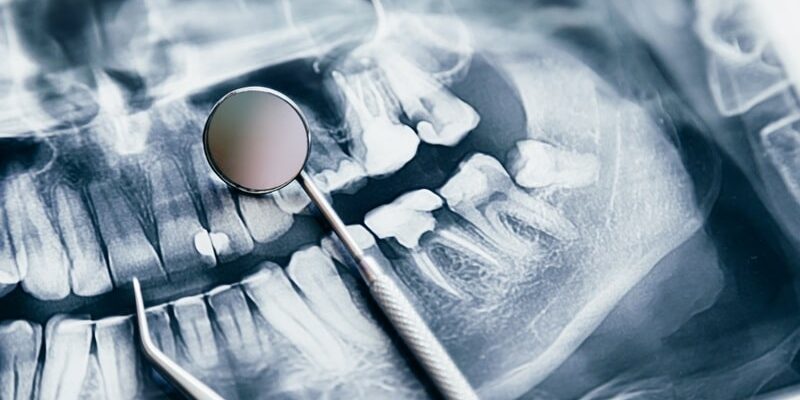
During a routine dental exam, your dentist checks for visible signs of enamel changes, soft areas, staining patterns, and other clues that may suggest decay. Dental X-rays are also important because they can reveal cavities between teeth or under the surface before they become obvious.
In some cases, early decay may be managed with preventive steps if caught before a cavity fully forms. In other cases, a small filling may be recommended to stop the damage from spreading.
How to Help Prevent Tooth Decay
The good news is that cavities are often preventable with the right habits and regular professional care.
- Brush twice a day with fluoride toothpaste
- Floss daily to clean between teeth
- Limit frequent sugary snacks and drinks
- Drink water throughout the day
- Visit the dentist regularly for exams and cleanings
- Ask about fluoride treatments or sealants if appropriate
- Address dry mouth if it is an issue for you
Small daily habits make a big difference over time.
When to Schedule a Dental Visit
If you notice sensitivity, visible spots, recurring food traps, or any unusual discomfort, it is smart to schedule an appointment sooner rather than later. You do not need to wait for severe pain to justify a visit. In fact, it is much better if you do not.
Early treatment is usually easier, faster, and less invasive than treating a cavity that has had time to grow.
Final Thoughts
The early signs of tooth decay are often easy to miss, but they should never be ignored. Sensitivity, white spots, mild discomfort, discoloration, and repeated food trapping can all point to a developing problem. Paying attention to these warning signs and keeping up with regular dental exams can help you avoid bigger issues down the road.
If you have noticed any of these symptoms or it has been a while since your last checkup, schedule a visit with Dr. Ersoy. Catching decay early is one of the best ways to protect your smile and keep treatment simple.