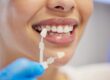
Porcelain veneers are one of the most talked about cosmetic dental treatments today. They are also one of the most misunderstood. Patients often arrive at our office curious about veneers but hesitant because of something they heard online, saw on social media, or were told years ago. Unfortunately, outdated information and exaggerated claims can prevent people from exploring a treatment that may genuinely improve their smile and confidence.
At Dr. Ersoy’s practice, education is a core part of care. This article addresses the most common myths about porcelain veneers and replaces them with clear, accurate information so you can make informed decisions about your smile.
Myth 1: Porcelain Veneers Look Fake or Unnatural
This is one of the most persistent myths about veneers and one of the easiest to debunk.
Modern porcelain veneers are designed to closely mimic the natural translucency, texture, and light reflection of real tooth enamel. Advances in ceramic materials and dental laboratory techniques allow veneers to be customized with incredible precision. Shape, shade, surface texture, and even subtle color variations are all taken into account.
The overly white, bulky veneers people often reference are typically the result of outdated materials, poor planning, or one size fits all approaches. When veneers are properly designed and placed by an experienced cosmetic dentist like Dr. Ersoy, the result is a smile that looks natural, balanced, and harmonious with your facial features.
The goal of veneers is not to create perfect looking teeth that stand out for the wrong reasons. The goal is to create a smile that looks like it belongs to you.
Myth 2: Veneers Destroy Your Natural Teeth
Many people worry that getting veneers means permanently damaging healthy teeth. This misconception often comes from confusion between veneers and crowns.
Porcelain veneers require only minimal tooth preparation. In most cases, less than a millimeter of enamel is removed to allow the veneer to sit flush with the surrounding teeth. This conservative approach preserves the majority of your natural tooth structure.
Crowns, by comparison, require shaping the entire tooth. Veneers are far less invasive and are considered a conservative cosmetic option when performed on appropriate candidates.
It is also important to note that modern veneer techniques often focus on enamel preservation. In some cases, minimal prep or partial prep veneers may be appropriate depending on tooth alignment and shape. Dr. Ersoy evaluates each case individually to ensure veneers are placed only when they are truly beneficial.
Myth 3: Porcelain Veneers Are Only for Celebrities
Social media and celebrity culture have fueled the belief that veneers are only for actors, influencers, or people with unlimited budgets. In reality, porcelain veneers are widely used by everyday patients who want to improve their smiles for personal or professional reasons.
Patients choose veneers for many reasons, including closing gaps, repairing chips, correcting uneven tooth shapes, improving discoloration, and restoring confidence after years of hiding their smile. Veneers are not about status. They are about comfort, self confidence, and quality of life.
Additionally, many dental offices, including Dr. Ersoy’s practice, offer flexible financing options that make veneers more accessible than people expect.
Myth 4: Veneers Are Only Cosmetic and Serve No Functional Purpose
While porcelain veneers are considered a cosmetic treatment, they often provide functional benefits as well.
Veneers can restore proper tooth shape and length, which may improve bite balance and speech clarity. They can protect weakened enamel from further wear and reduce sensitivity in certain cases. When placed correctly, veneers can reinforce teeth with minor cracks or chips and distribute biting forces more evenly.
Cosmetic dentistry and functional dentistry often overlap. A well designed veneer treatment enhances both appearance and performance of the teeth.
Myth 5: Veneers Are Extremely Painful
Another common concern is pain during or after the veneer process. Most patients are surprised by how comfortable the experience actually is.
Local anesthesia is used during the tooth preparation stage, ensuring you remain comfortable throughout the procedure. The amount of enamel removed is minimal, which significantly reduces post treatment discomfort.
Some patients may experience mild sensitivity for a short period after placement, particularly to hot or cold temperatures. This sensitivity typically resolves quickly as the teeth adjust.
For most people, the veneer process is no more uncomfortable than getting a small filling.
Myth 6: Porcelain Veneers Do Not Last Long
Porcelain veneers are designed to be durable and long lasting. With proper care, they commonly last 10 to 15 years and often longer.
Their longevity depends on several factors, including oral hygiene habits, bite forces, lifestyle choices, and regular dental care. Veneers made from high quality porcelain are highly resistant to staining and wear.
Patients who brush and floss daily, attend regular dental checkups, and avoid habits like biting ice or using teeth as tools typically enjoy many years of excellent performance from their veneers.
Myth 7: You Cannot Eat Normally with Veneers
Some patients worry that veneers will restrict their diet or feel fragile. In reality, porcelain veneers are strong enough to withstand normal chewing forces.
Once bonded to the teeth, veneers function much like natural enamel. Patients can eat most foods comfortably, including meats, fruits, and vegetables.
That said, common sense precautions apply. Extremely hard foods, such as ice or hard candy, should be avoided, just as they should be avoided with natural teeth. Patients who grind or clench their teeth may benefit from wearing a nightguard to protect both natural teeth and veneers.
Myth 8: Veneers Stain Easily
Unlike natural enamel, porcelain is highly resistant to staining. Coffee, tea, red wine, and tobacco have little effect on the color of veneers.
This stain resistance is one of the major advantages of porcelain veneers compared to composite bonding or whitening treatments. Veneers maintain their brightness for years without frequent touch ups.
However, it is still important to maintain good oral hygiene. While veneers themselves do not stain easily, plaque buildup around them can affect gum health and overall appearance.
Myth 9: Veneers Are a One Size Fits All Treatment
Some people believe veneers come in standard shapes or sizes. This could not be further from the truth.
Porcelain veneers are custom crafted for each patient. Every veneer is designed based on the individual tooth, facial structure, lip movement, and smile line. Factors such as age, gender, and personal style preferences also influence design decisions.
Dr. Ersoy works closely with skilled dental laboratories to ensure veneers are tailored to each patient. This level of customization is what allows veneers to look natural rather than artificial.
Myth 10: Veneers Can Fix Any Dental Problem
While veneers are versatile, they are not the solution for every dental concern. This myth can lead to unrealistic expectations.
Veneers are best suited for cosmetic concerns involving the front surfaces of teeth. They do not correct severe misalignment, major bite problems, advanced decay, or active gum disease. In those cases, orthodontic treatment, crowns, or restorative procedures may be more appropriate.
A thorough evaluation is essential before proceeding with veneers. Dr. Ersoy carefully assesses oral health, bite function, and long term stability before recommending any cosmetic treatment.
Myth 11: Veneers Require Special or Complicated Care
Caring for porcelain veneers is straightforward and very similar to caring for natural teeth.
Daily brushing with a nonabrasive toothpaste, flossing, and routine dental cleanings are all that is required. There is no need for special products or complicated routines.
Patients are encouraged to protect veneers by avoiding harmful habits such as nail biting, chewing on pens, or opening packages with their teeth. If grinding is present, a custom nightguard can help preserve veneers and natural teeth alike.
Myth 12: Veneers Are Permanent and Cannot Be Changed
While veneers are considered a long term treatment, they are not irreversible in the sense many people fear.
Veneers can be replaced if they become damaged, worn, or if a patient wants a different aesthetic result in the future. Advances in materials and techniques make replacement more predictable and conservative than ever.
That said, because a small amount of enamel is removed during preparation, veneers are a commitment. This is why proper planning, communication, and realistic expectations are critical before beginning treatment.
Myth 13: Veneers Make Teeth Weak
Some patients worry that veneers will weaken their teeth. In reality, veneers often strengthen teeth that have minor damage or enamel wear.
Once bonded, porcelain veneers become part of the tooth structure. The strong adhesive bond helps reinforce the tooth and protect it from further damage.
When placed on healthy teeth by an experienced dentist, veneers do not weaken teeth. They often improve structural integrity in cases involving chips, cracks, or worn enamel.
Myth 14: Veneers Are Only for Younger Patients
Porcelain veneers are suitable for adults of many ages. Age alone does not determine candidacy.
Many patients seek veneers later in life to restore worn, chipped, or discolored teeth. As long as gums are healthy and sufficient enamel is present, veneers can be an excellent option.
Dr. Ersoy customizes veneer treatments to complement facial features and age appropriate aesthetics, ensuring results look natural rather than overly youthful or artificial.
Myth 15: Getting Veneers Is a Rushed Process
High quality veneer treatment is never rushed. While some marketing promotes instant smile transformations, the reality is that proper veneer placement requires careful planning.
Consultation, digital smile design, mockups, precise preparation, and collaboration with a dental laboratory all contribute to a successful outcome. This thoughtful process ensures the final result meets both aesthetic and functional goals.
At Dr. Ersoy’s practice, veneers are treated as a customized smile investment, not a quick cosmetic fix.
Key Takeaways
- Modern porcelain veneers are highly customizable and can look very natural when properly planned and placed.
- Veneers typically require only minimal enamel removal and are more conservative than crowns.
- With good care, porcelain veneers can last 10 to 15 years and often longer.
- Porcelain is stain resistant, and veneers generally do not require special maintenance beyond good oral hygiene.
- Veneers are a great option for many cosmetic concerns, but they are not the right solution for every dental problem.
Final Thoughts
If you have been hesitant about porcelain veneers because of something you heard or read, it may be time to revisit the facts. At Arzu Ersoy, DMD, PA, our focus is on personalized care, honest education, and results that feel as good as they look.
A consultation allows you to explore whether porcelain veneers are right for you without pressure or obligation. With the right information and a thoughtful approach, veneers can be a transformative solution for a healthier, more confident smile. Contact us today to schedule your appointment.